Keep the story of a place or thing.
Scan a small tag to open its record. Add dated photos, voice notes or observations, then return to see the history together.
TagRecordRevisit
Give a place or item a tag. Add a photo or voice note. Come back and see what’s different.
Tell us what you need to keep track ofStart with a simple tag. Add connected sensors only when you need to monitor a change from a distance.
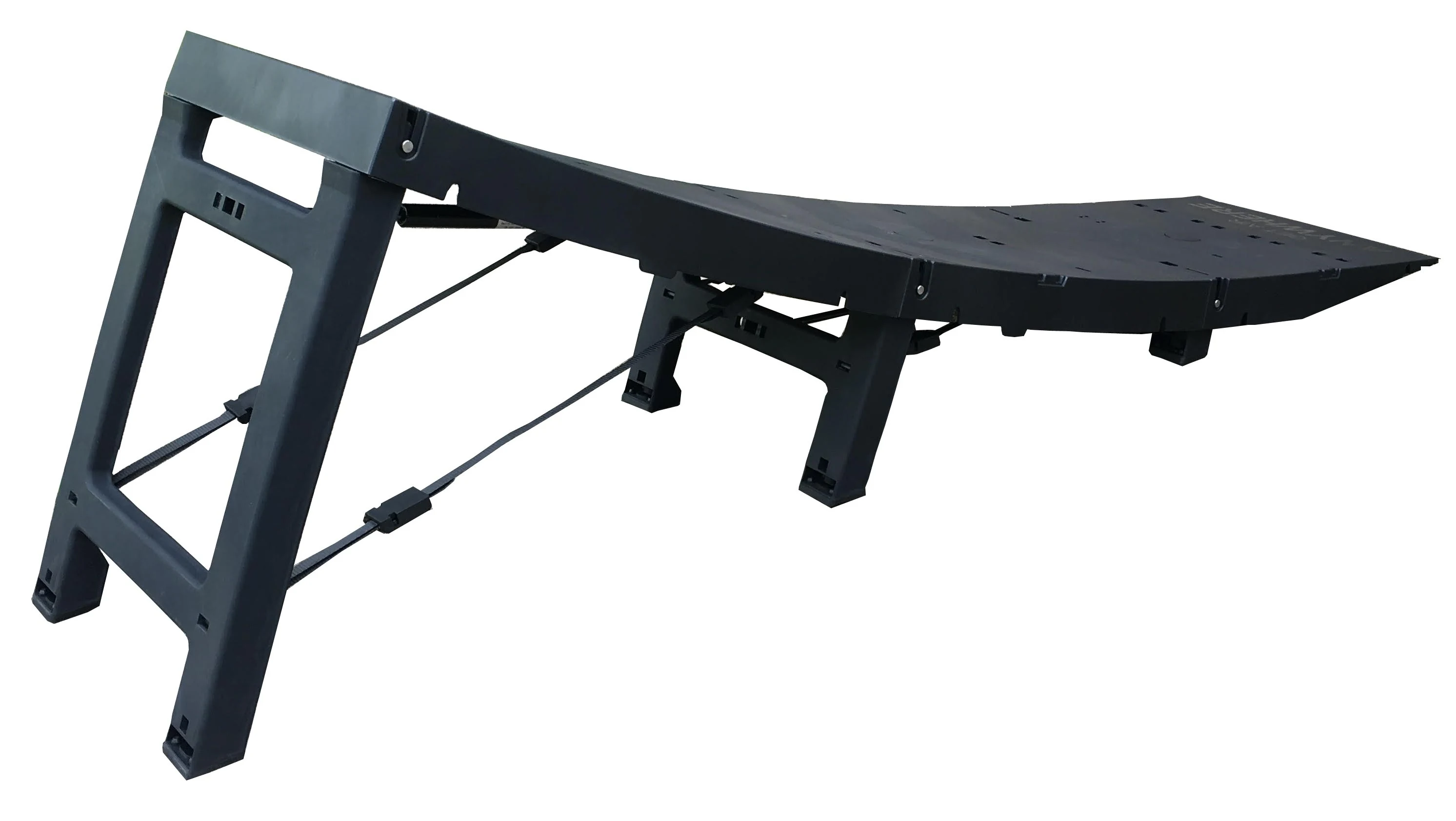
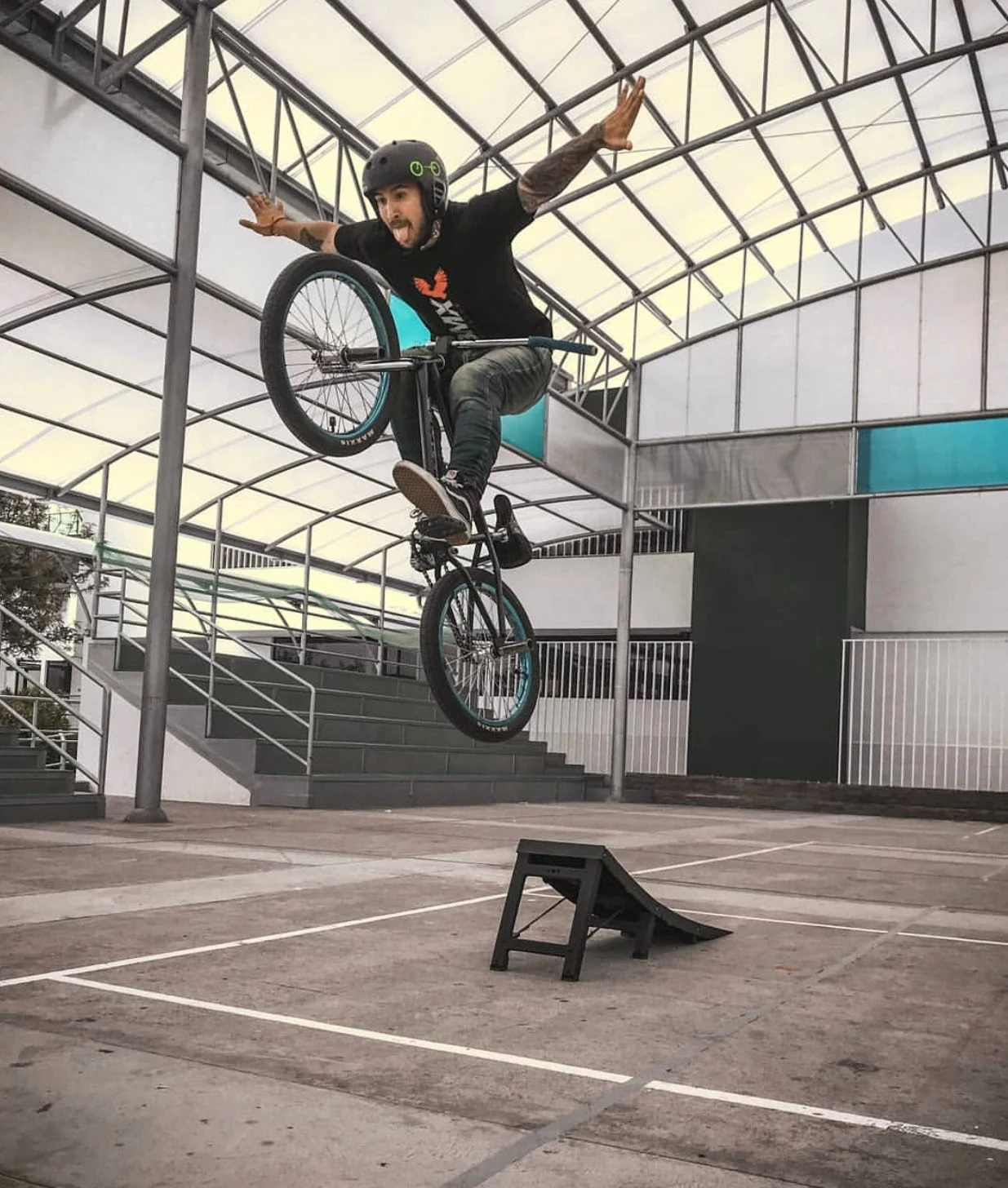 A real ramp. A new way to listen.
We make it easier to find a record, add what you notice, and understand what happens next.
Scan a small tag to open its record. Add dated photos, voice notes or observations, then return to see the history together.
For questions a photo can’t answer, add a suitable sensor to measure something like movement, moisture or temperature.
You don’t need to know the technical terms. Start with the thing you want to understand.
Give a place, asset or reference point its own record.
Capture what someone sees, hears or measures.
Scan again and add the next photo or note.
Compare the history and decide what needs attention.
Jumpack ramp · shown as it isA ramp has a story: each session, each change, each reason to take a closer look. A tag can open its record. Photos and notes keep the history together. A suitable sensor could add readings when the question calls for it.
Tell us in your own words. We’ll listen, help you choose the simplest starting point and talk you through what to order.
Email us directly at bazil.cromer@ripplexn.com.
No technical terms needed. We’ll prepare an email for you to review and send.
Not sure what fits? Start with what you want to know.
No. Start with a tag if you want to keep photos, voice notes or observations together. Add a sensor only if you need to measure a change automatically.
It means paying attention to the changes people might otherwise miss. A record can include what someone sees, hears or measures, with a date and a place.
Tell us what you want to keep track of. We’ll help you choose a simple first setup and explain what you need to order.